Ergonomics as a Strategic Lever: Advancing Workforce Performance Through High-Quality Standing Surfaces
How investing in ergonomic standing surfaces reduces injuries, boosts productivity, and delivers measurable ROI
The Hidden Cost of Standing Fatigue
Organizations across manufacturing, logistics, healthcare, and food production increasingly operate in environments where workers spend long hours on their feet. Research shows that discomfort and fatigue from standing work contribute significantly to absenteeism, reduced productivity, and preventable workplace injuries.
Despite this, investments in ergonomic standing surfaces remain undervalued. Many companies continue to rely on low-cost foam mats that degrade quickly, offer inadequate support, and introduce safety hazards.
A Journal of the American Medical Association study estimates that pain-related productivity losses among U.S. workers exceed $61 billion annually, a figure largely driven by musculoskeletal stress.
The Business Case for Ergonomics
Understanding the true impact of workplace ergonomics on your bottom line
Rising Costs of Worker Discomfort
Musculoskeletal disorders (MSDs) and pain-related fatigue, not acute injuries, account for a disproportionate amount of lost productive time. Extended standing, particularly on hard or unstable surfaces, increases:
- Lower-limb fatigue
- Circulatory stress
- Postural strain on the back, hips, knees, and feet
- Risk of slips, trips, and falls
- Long-term MSD development

Ergonomics as a Driver of Productivity
Numerous studies demonstrate that when workers experience less fatigue, multiple performance indicators improve:
- Output increases
- Error rates decrease
- Workers maintain concentration longer
- Engagement and morale improve

9 Core Performance Criteria
Through industry research and material science analysis, nine core performance indicators have emerged as essential for selecting high-quality anti-fatigue matting.
Optimal Firmness
The ideal firmness level falls between 0.6 and 0.9 MPa. Too soft creates instability and increased fatigue; too hard provides minimal reduction in discomfort.
Stability & Controlled Instability
Workers need micro-movements to stimulate circulation. Excessive softness forces compensatory muscle activity, increasing fatigue and fall risk.
Resistance to Bottoming Out
Mats must maintain cushioning even under prolonged pressure. A minimum effective thickness is required with adequate bottoming-out depth.
Rapid Recovery
High-resilience materials should return instantaneously to their original form, supporting natural movement rather than collapsing under load.
Shock Absorption + Energy Return
The ideal surface cushions impact while maintaining elasticity, avoiding the unstable 'sand effect' of low-quality materials.
Consistent Compression
Foam mats often harden under pressure, defeating their purpose. Advanced materials maintain consistent performance throughout the shift.
Slip Resistance
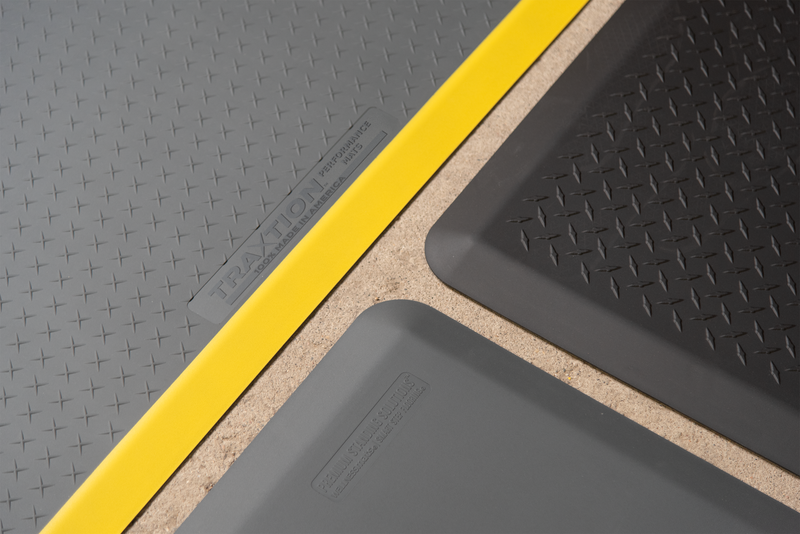
Wear, dust formation, and lightweight construction all cause mats to slide creating trip hazards and increasing replacement frequency.
Hygienic Surfaces
Closed-cell or non-absorbent materials are essential in food, healthcare, or industrial environments where contamination risks are high.
Long-Term Durability
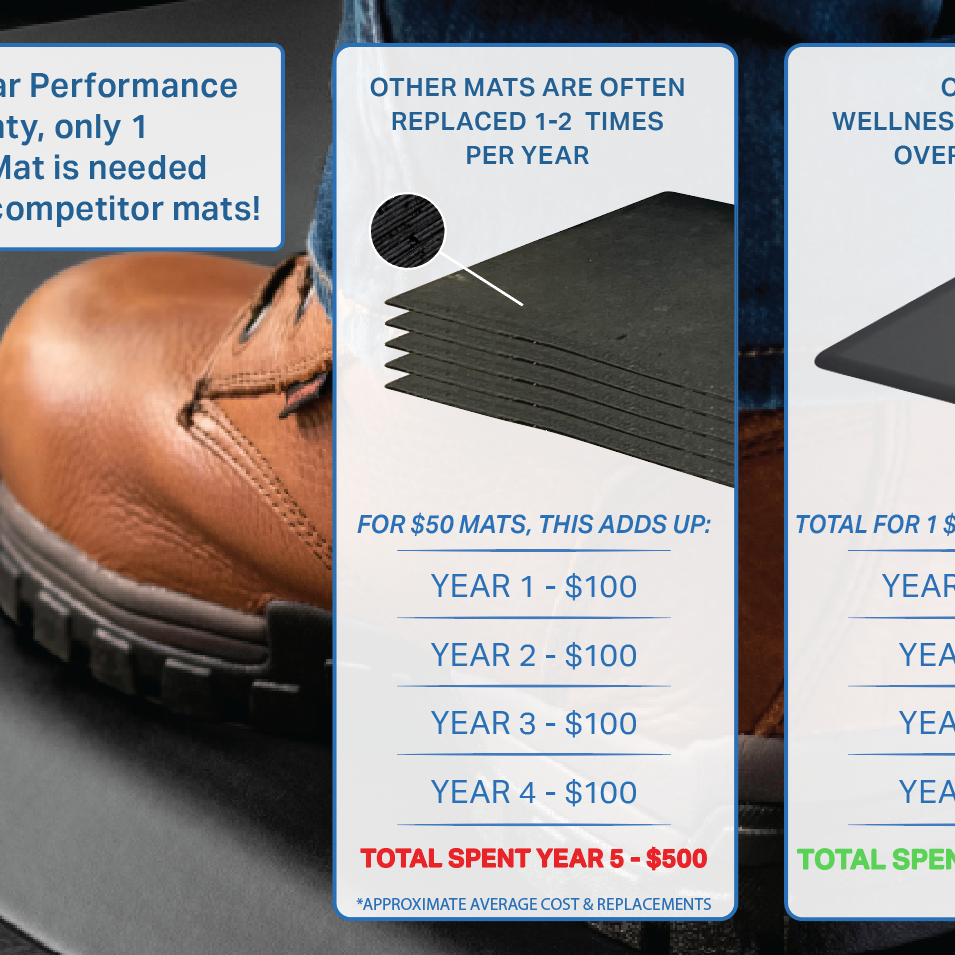
Foam degradation, curling edges, and brittle covers compromise safety. Durable edge systems and tear-resistant materials reduce replacement cycles.
Operational Impact: What Organizations Gain
Investing in high-quality ergonomic solutions delivers measurable returns across multiple dimensions
Reduced Injury Rates
Better standing surfaces lessen joint strain, decrease tissue stress, and significantly lower the risk of chronic MSDs.
Increased Productivity
Workers who experience less discomfort sustain higher output and accuracy levels, particularly during long shifts.
Lower Total Cost of Ownership
While premium matting requires upfront investment, durability and reduced injury claims generate superior long-term ROI.
Stronger Safety Culture
Visible ergonomic improvements reinforce an organization's commitment to worker well-being—key for attraction and retention.
Recommendations for Implementation
Conduct ergonomic assessments of current standing environments
Review mat performance using the nine criteria outlined above
Pilot-test solutions with representative worker groups
Consider TCO (total cost of ownership), not just upfront cost
Integrate ergonomic improvements into broader workforce-health strategies
Collaborate between safety leaders, operations managers, and frontline employees
Invest in Your Workforce's Foundation
Standing fatigue is not an inevitable part of industrial or commercial work—it's a solvable design problem. As companies face rising expectations for workplace wellness and operational efficiency, ergonomic standing surfaces represent a high-impact opportunity with measurable returns.
Ergonomics is not just about preventing injuries, it's about unlocking workforce performance.
Built for Business. Ready to Deliver. Made to last.
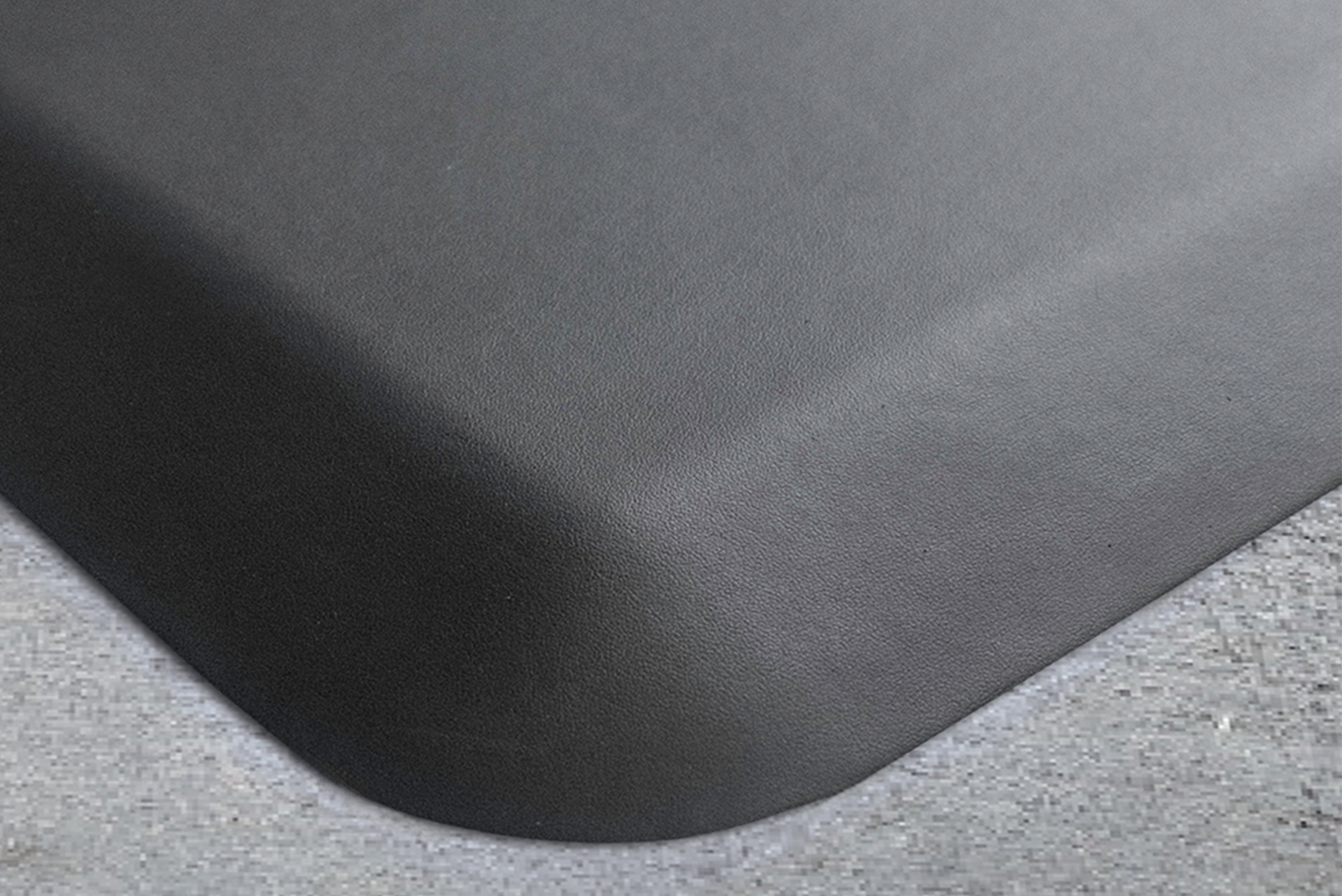
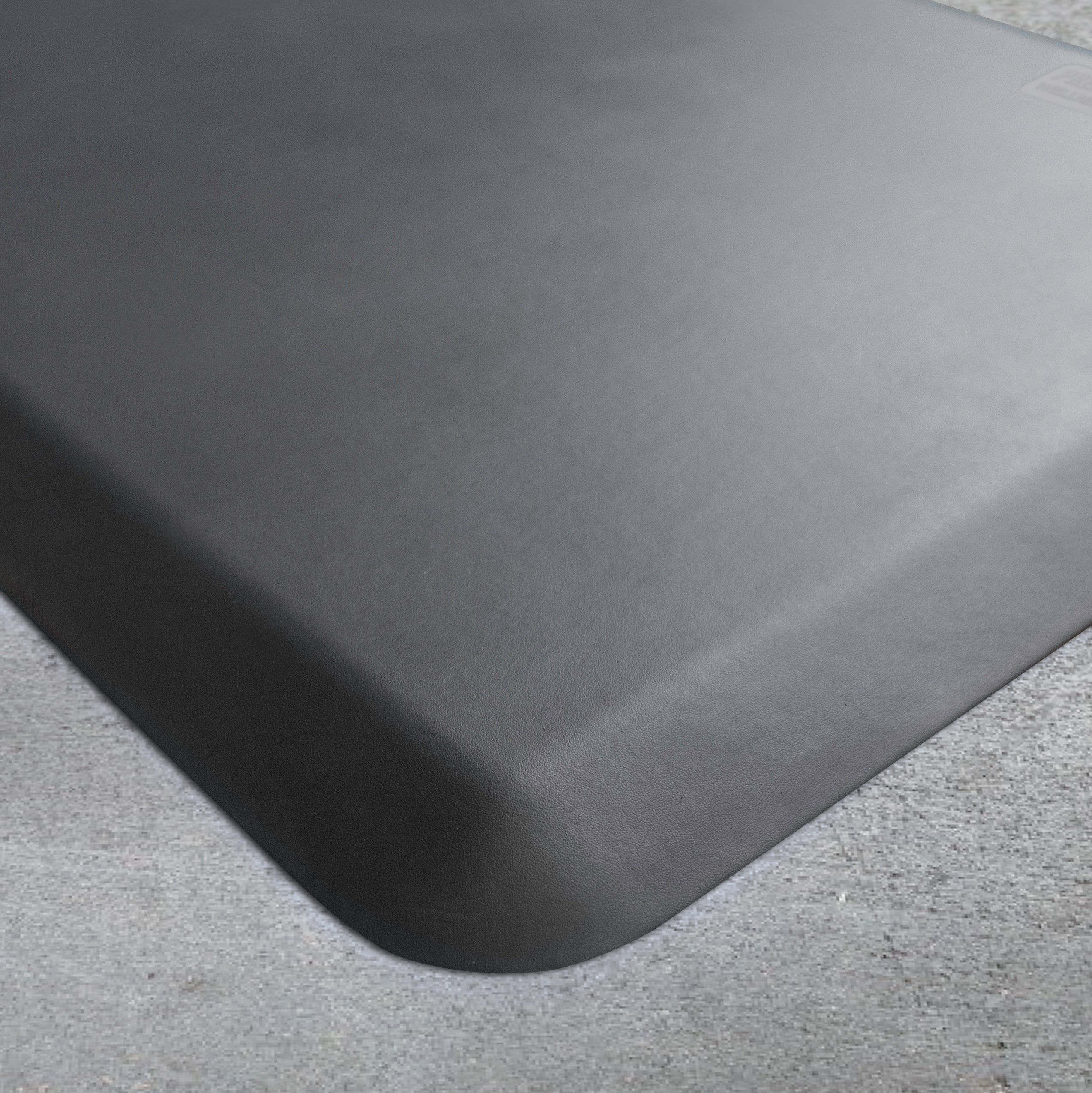
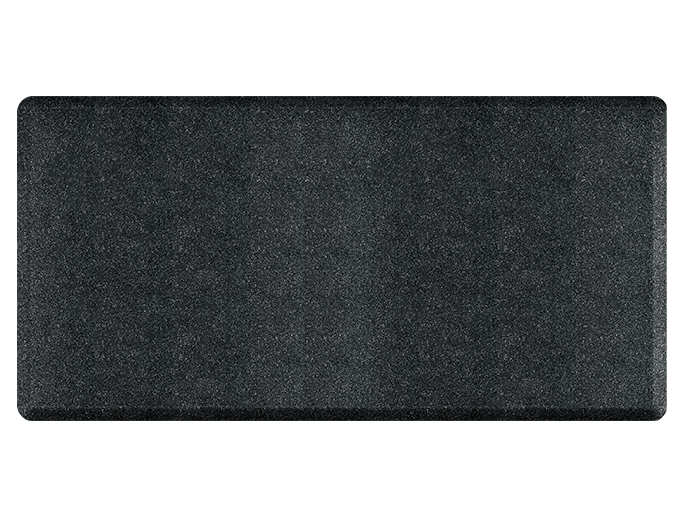
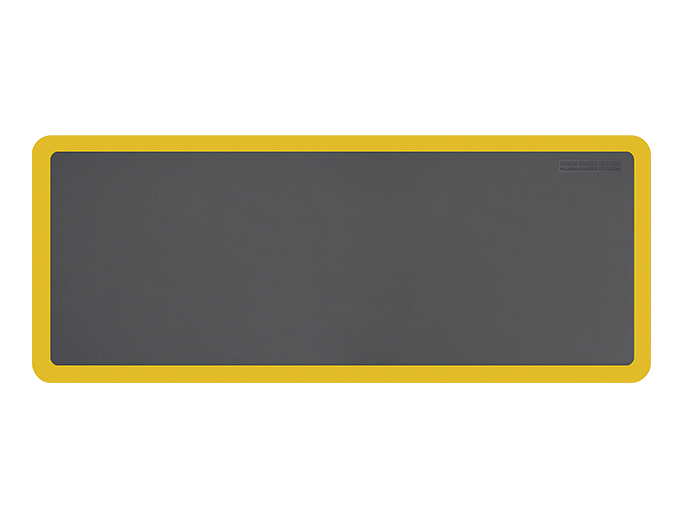
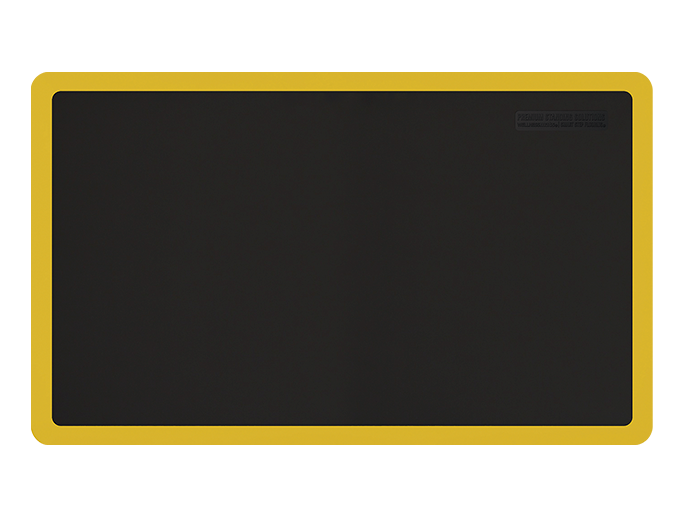
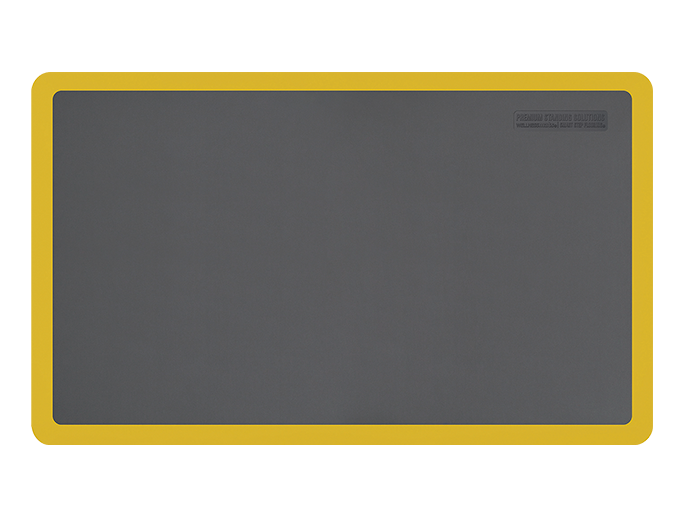
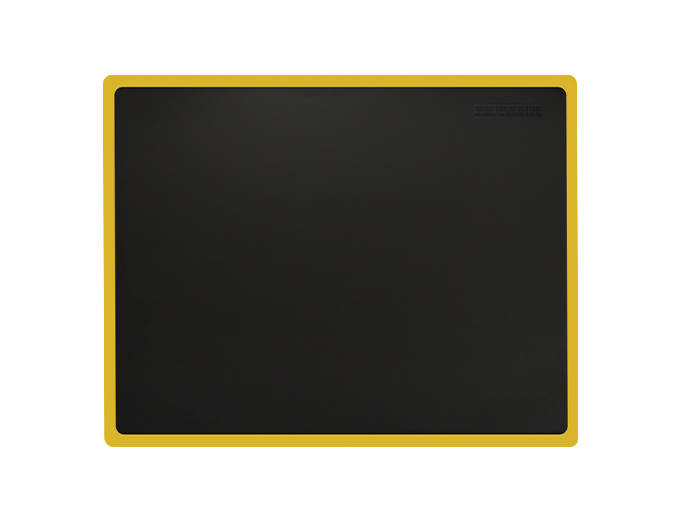
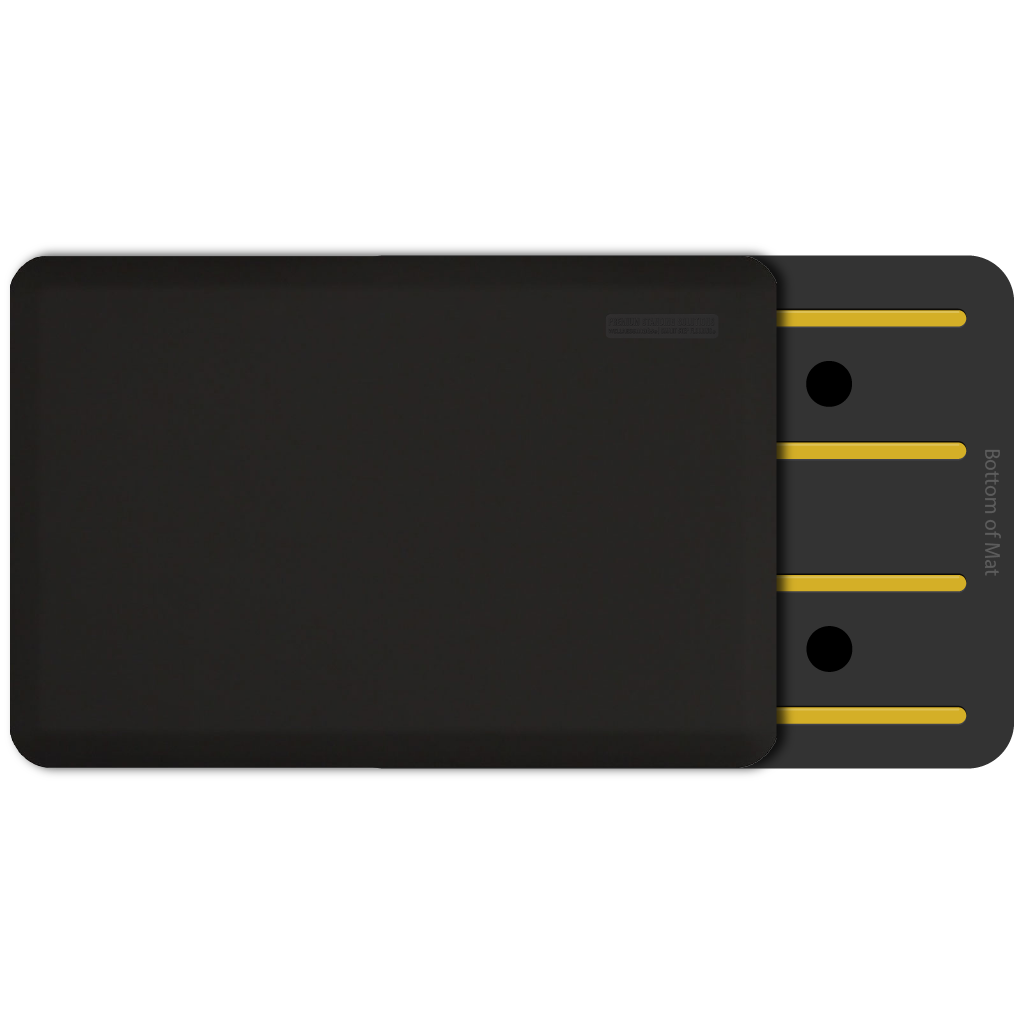
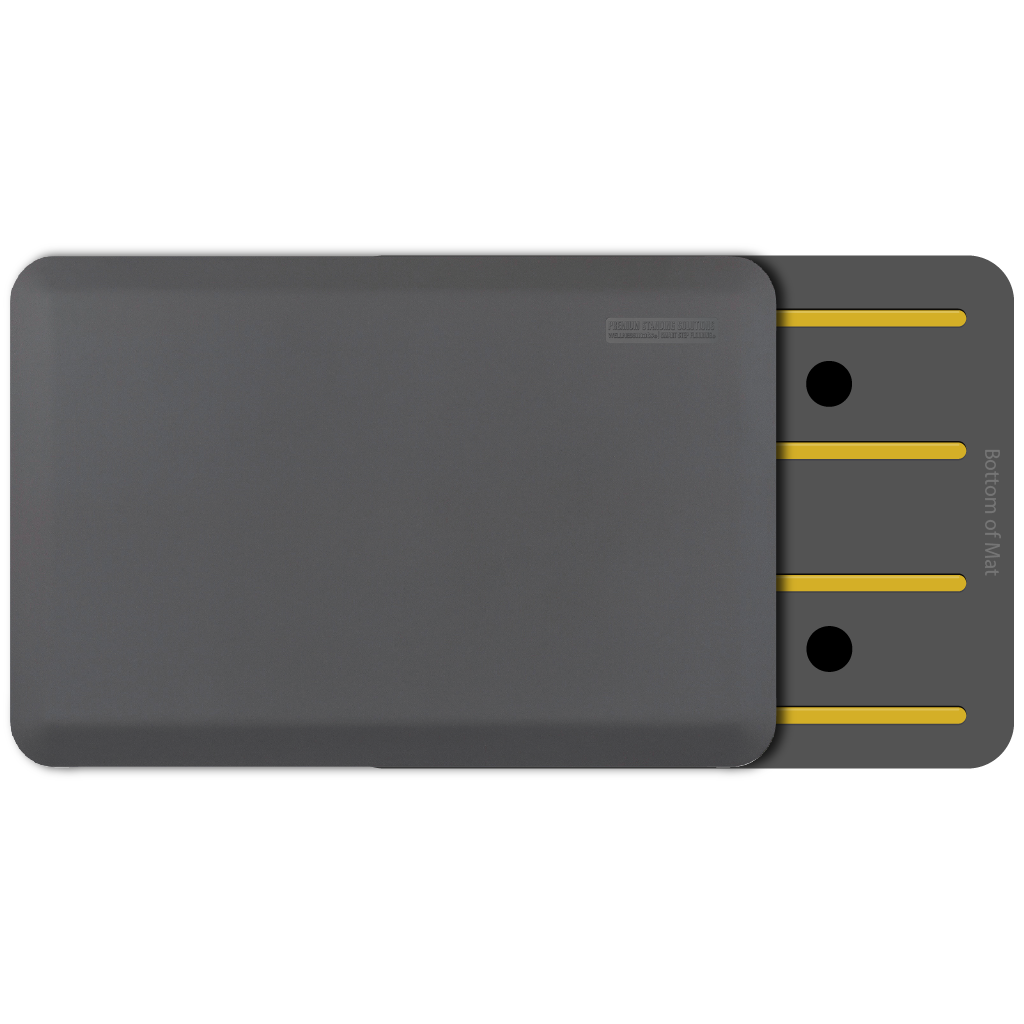
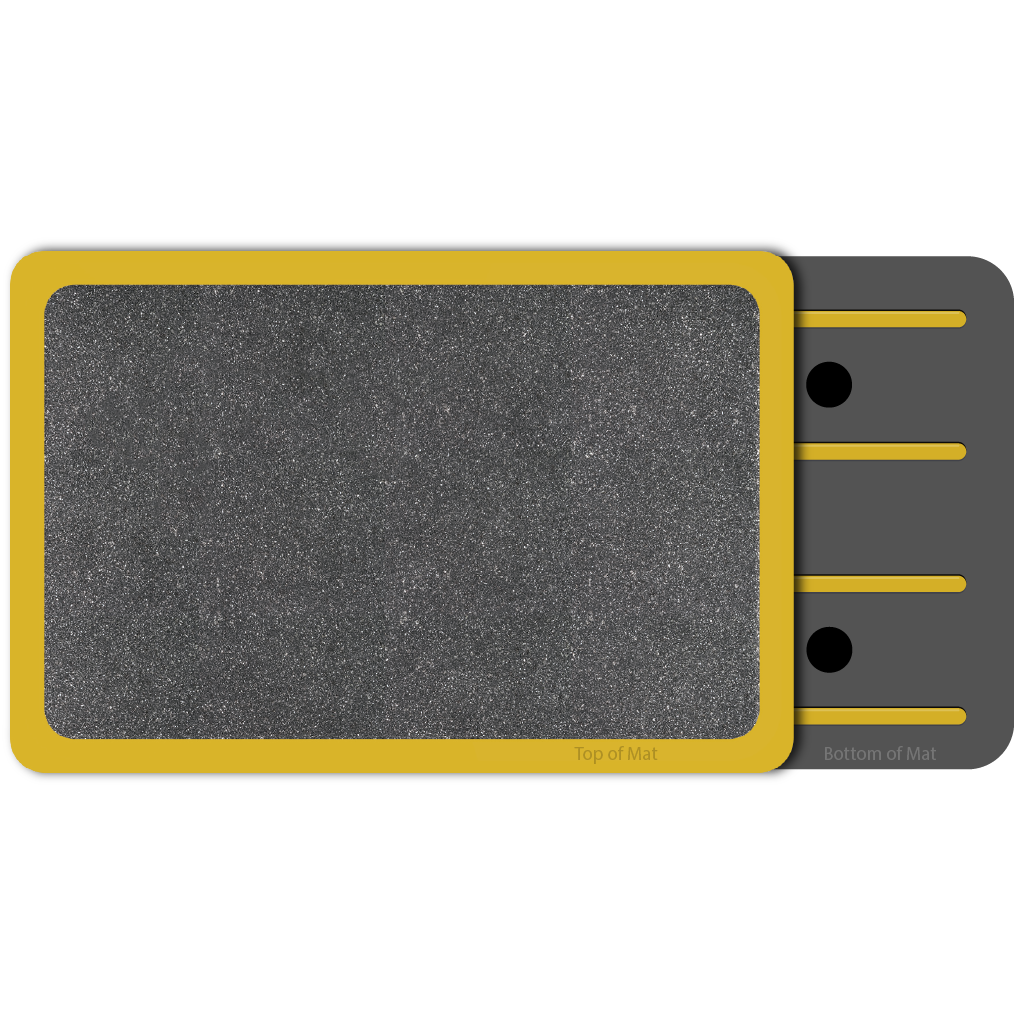
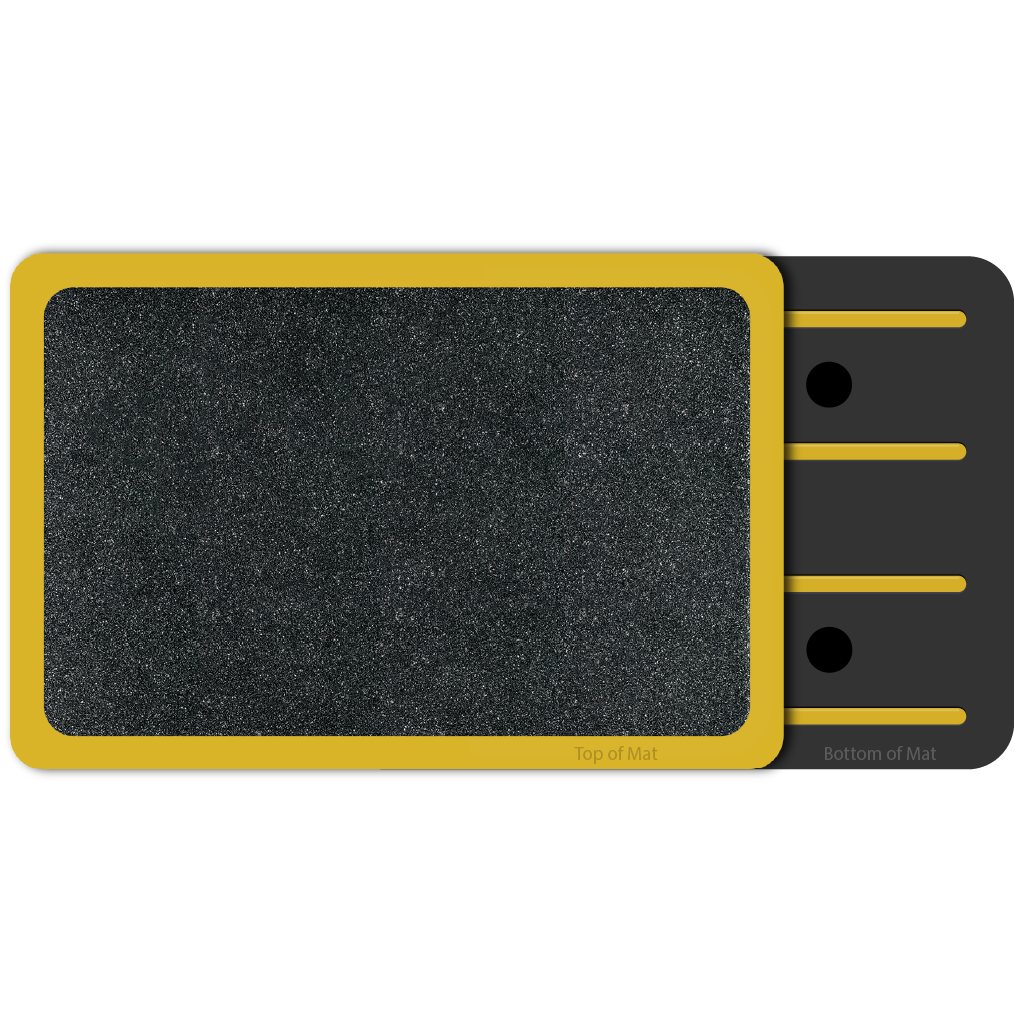
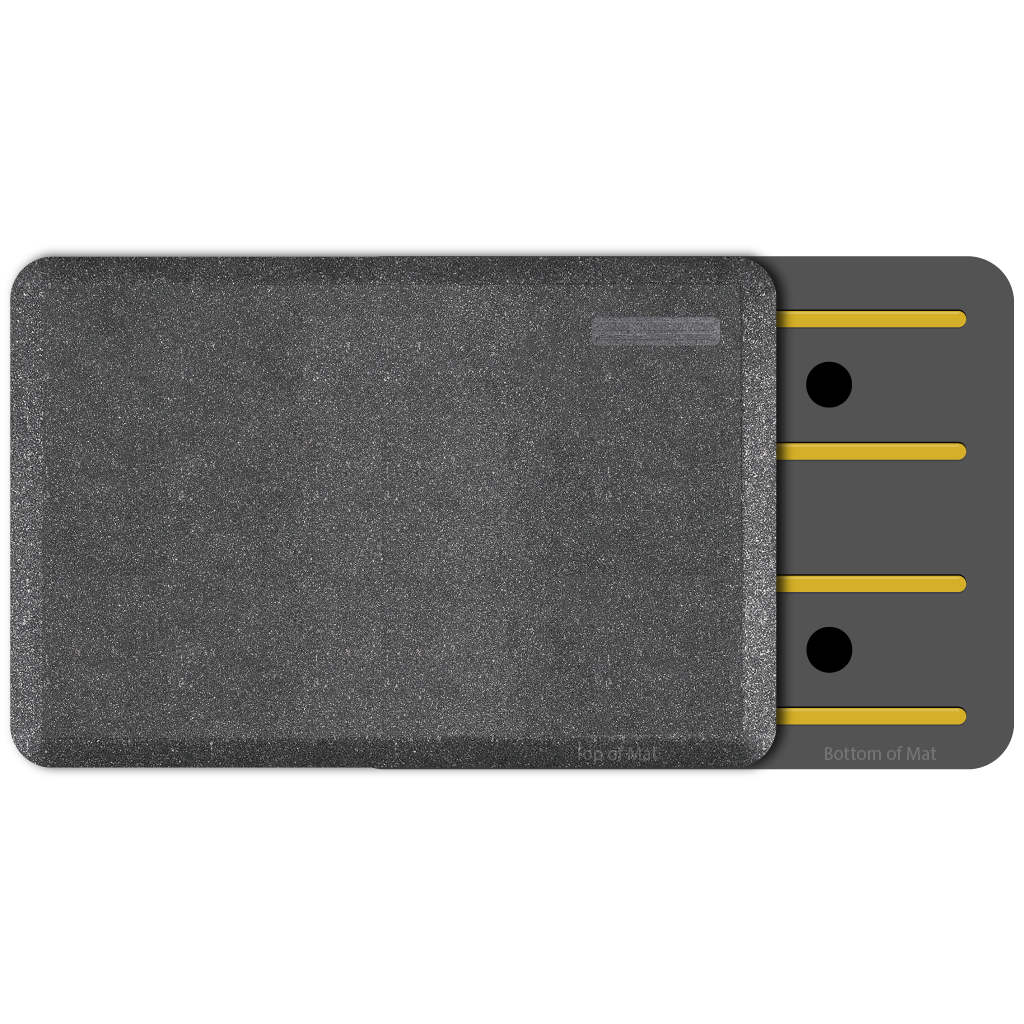
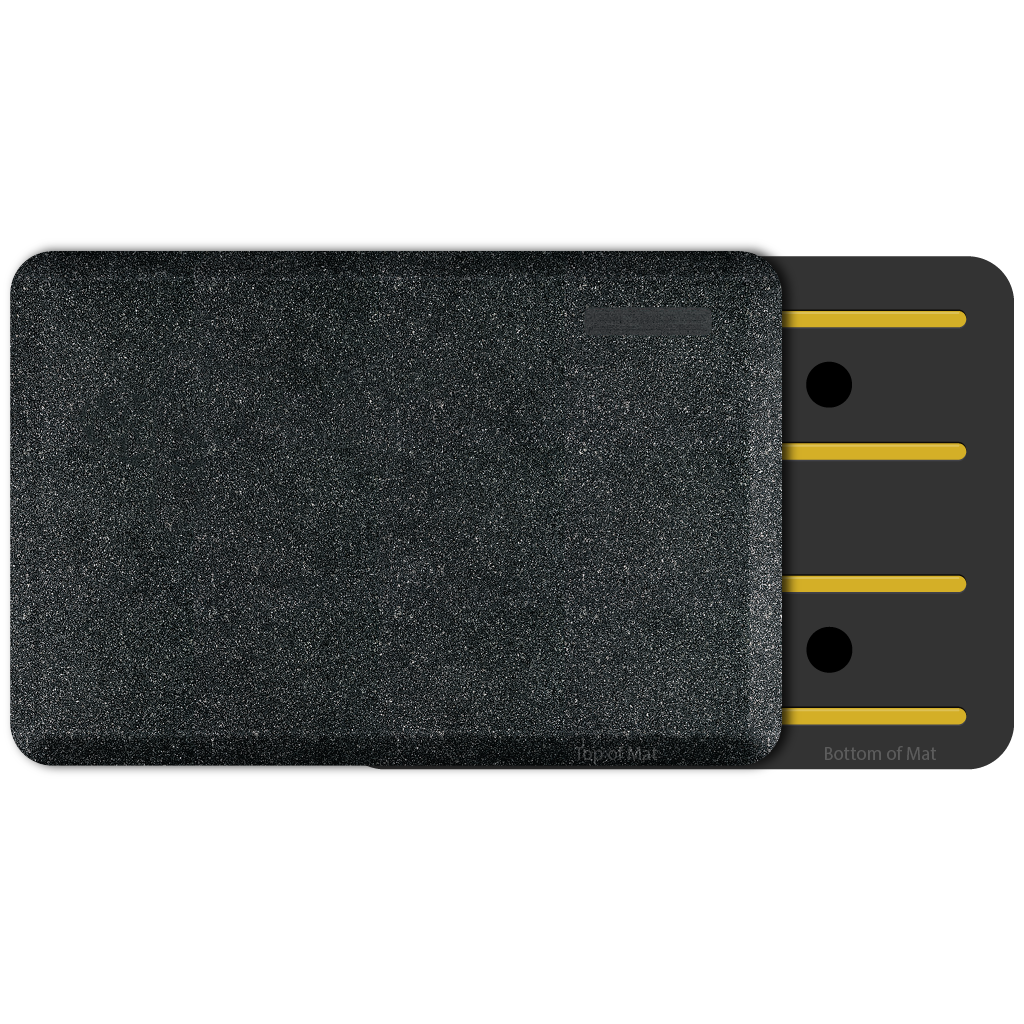
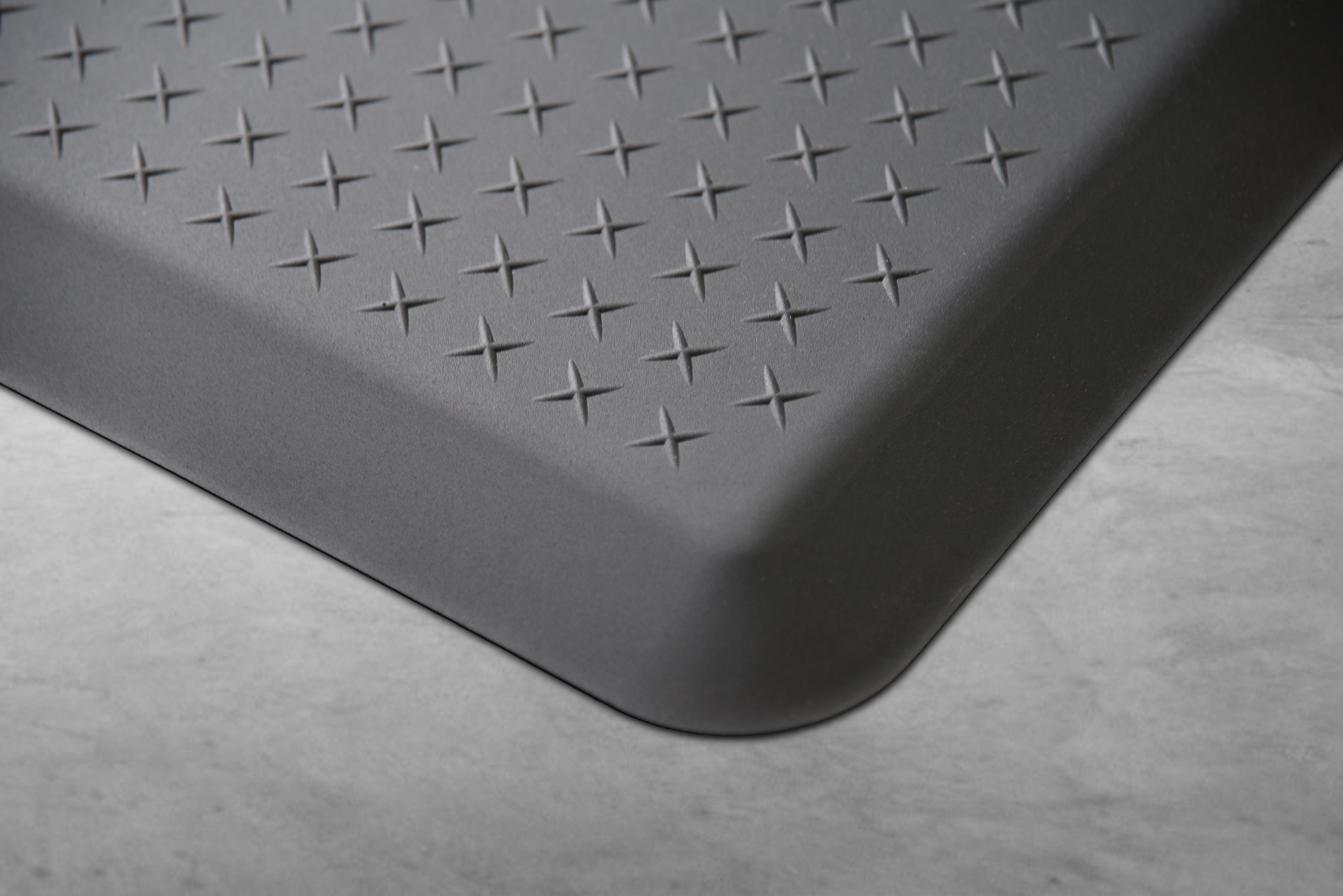
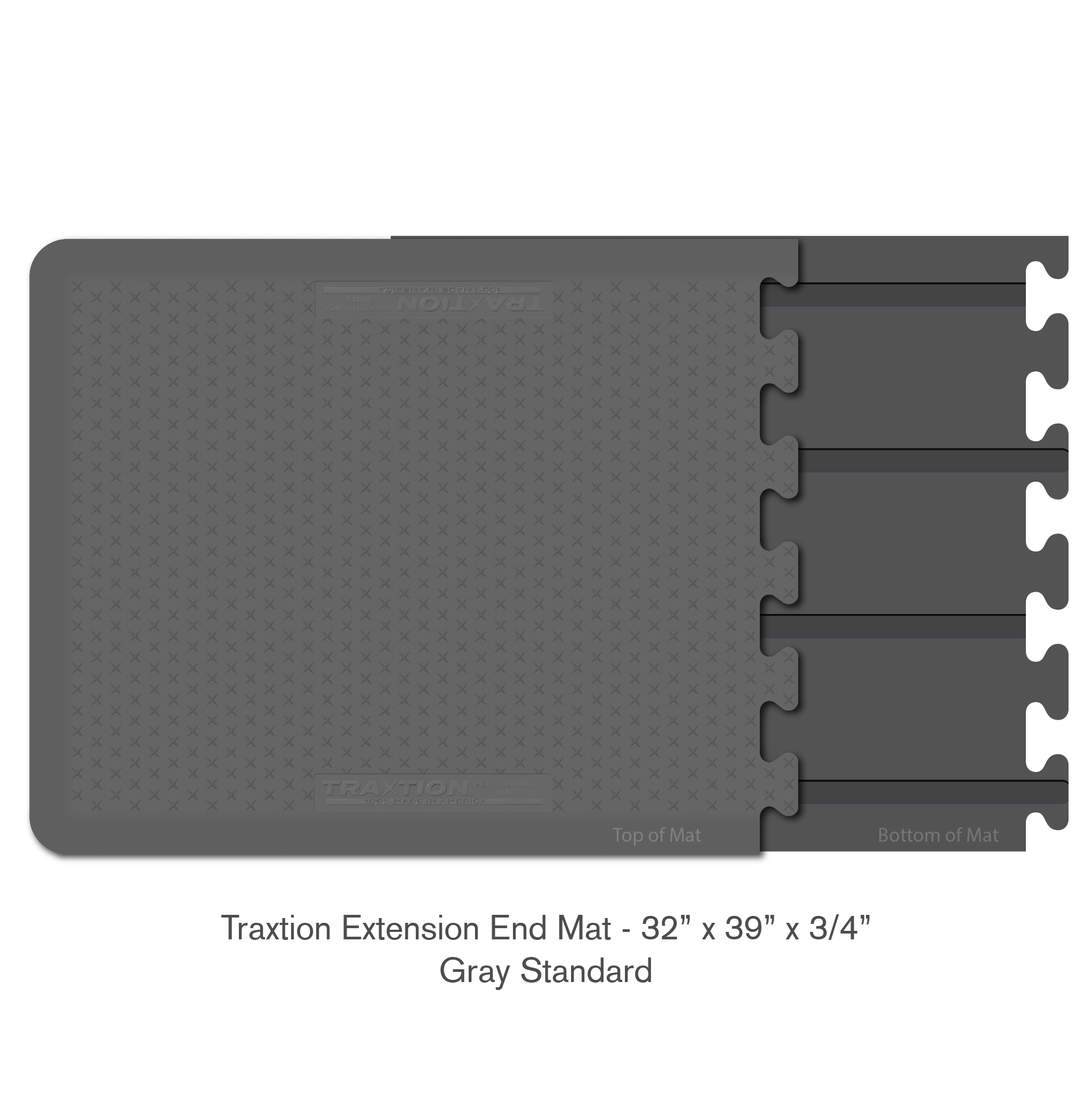
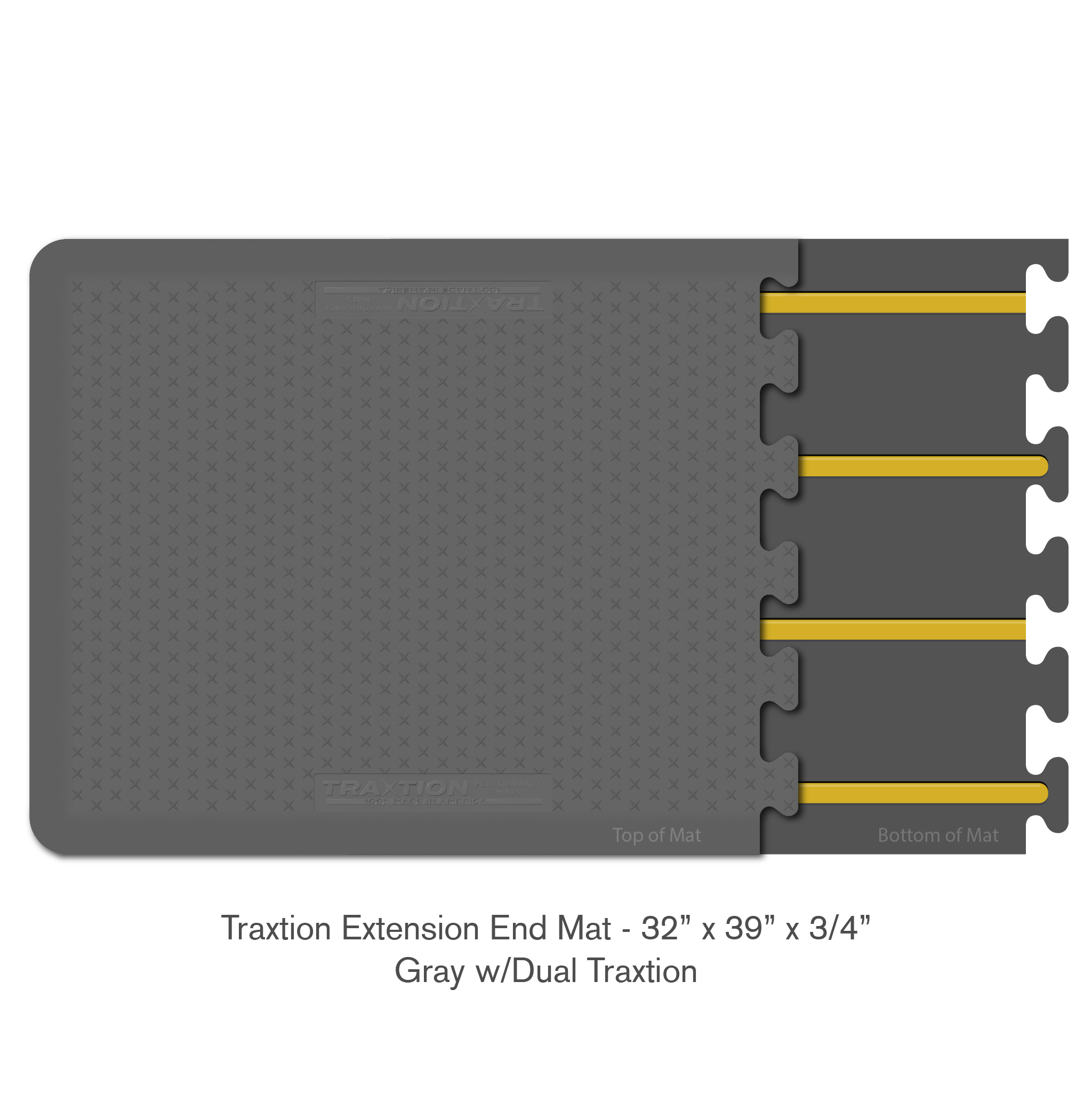
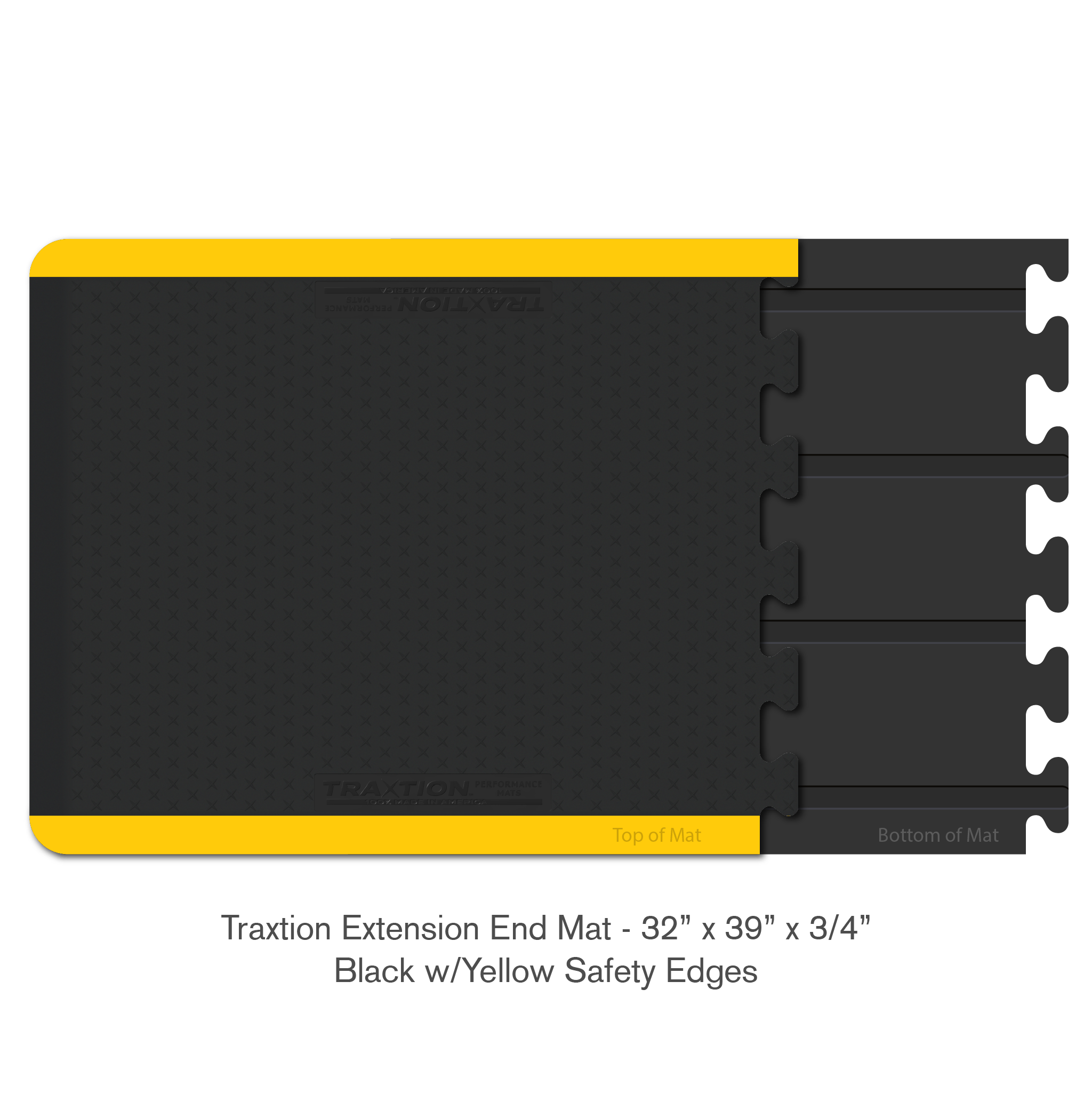
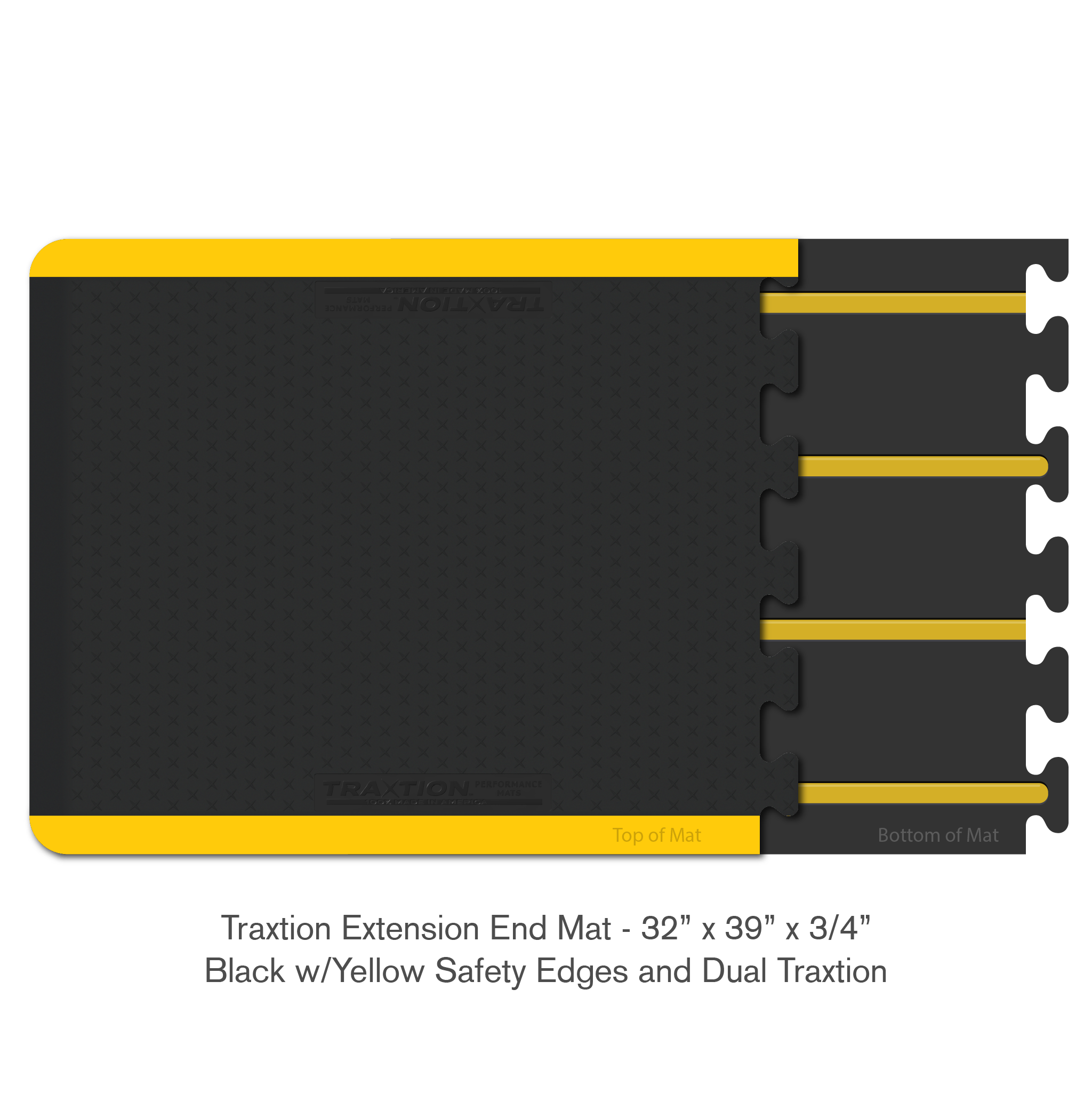
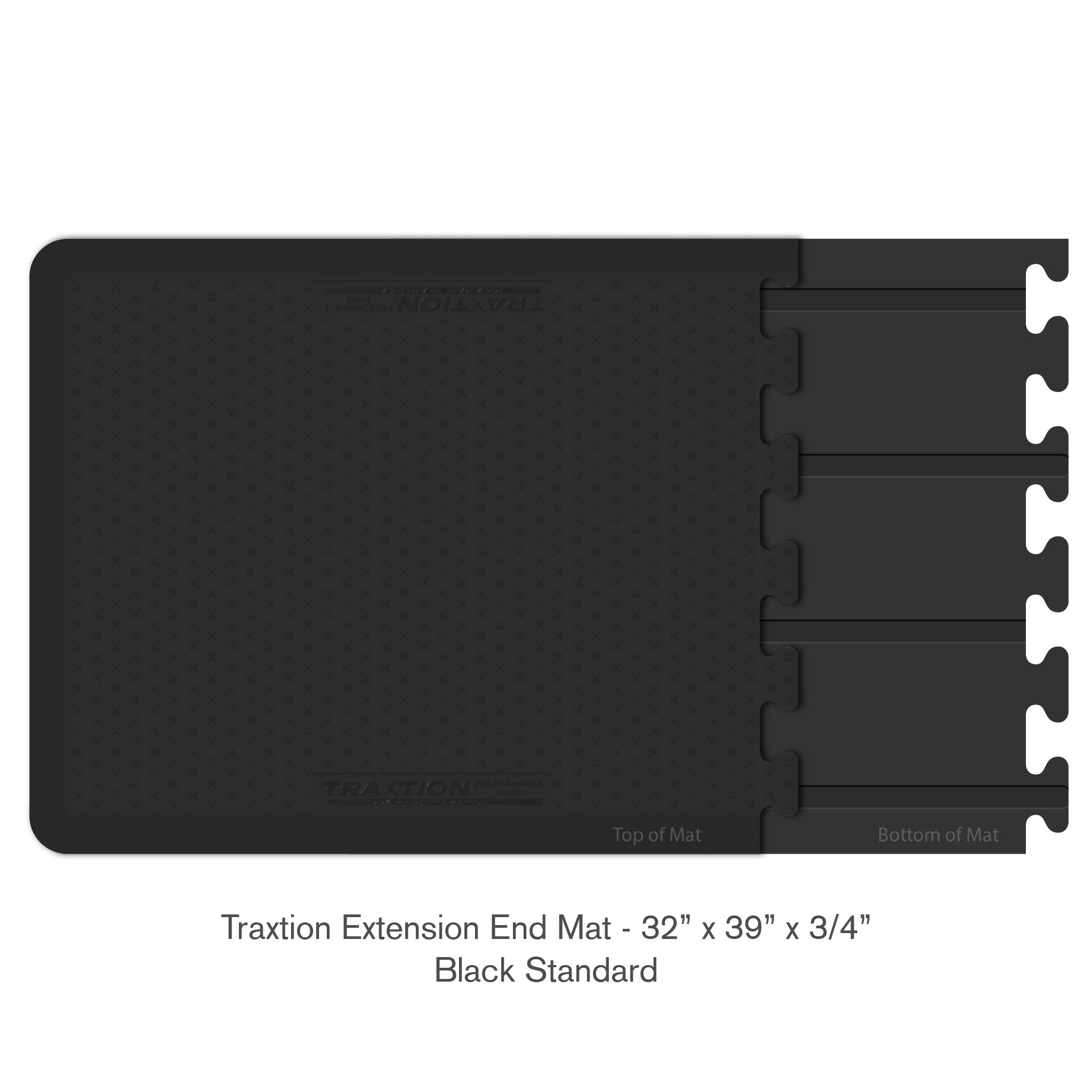
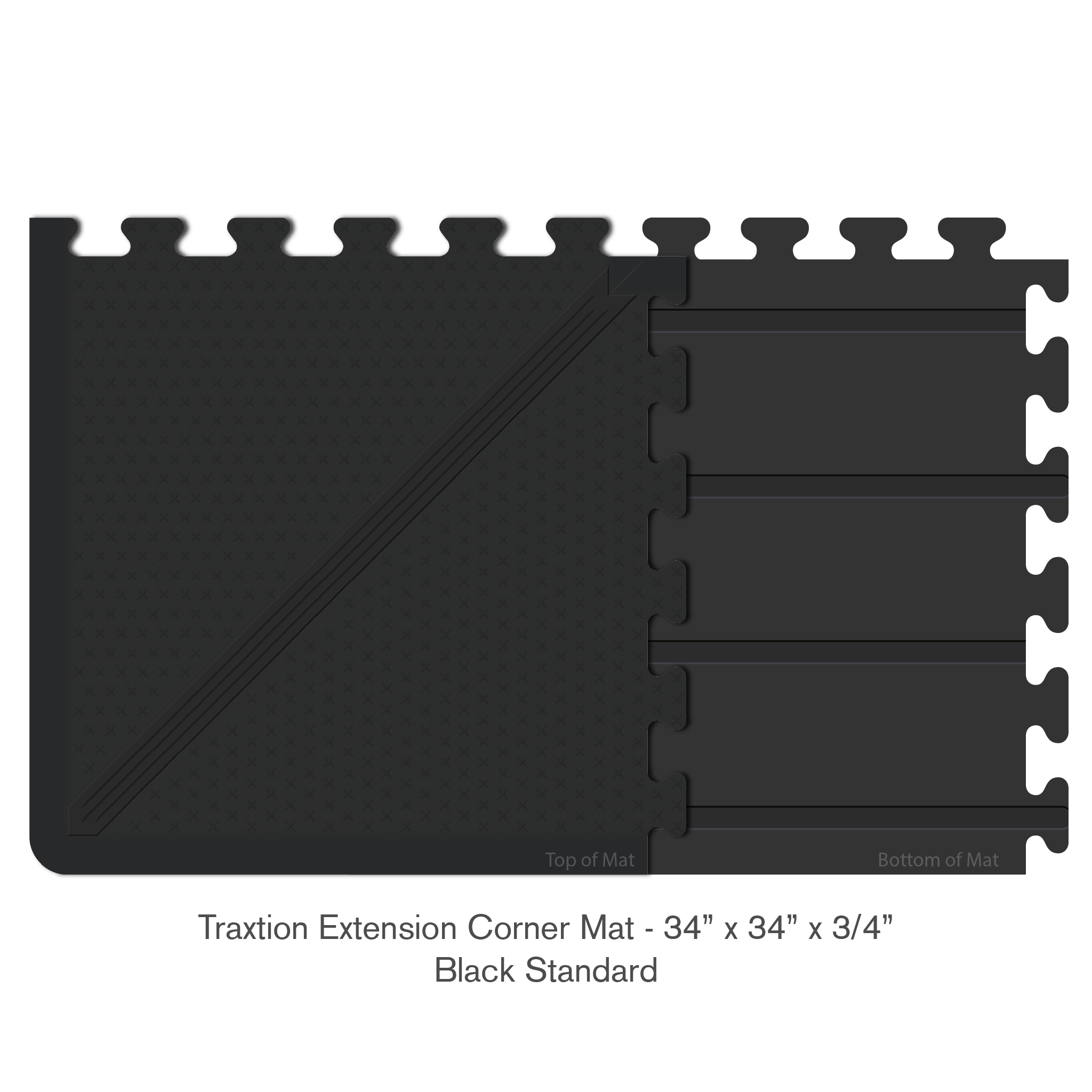
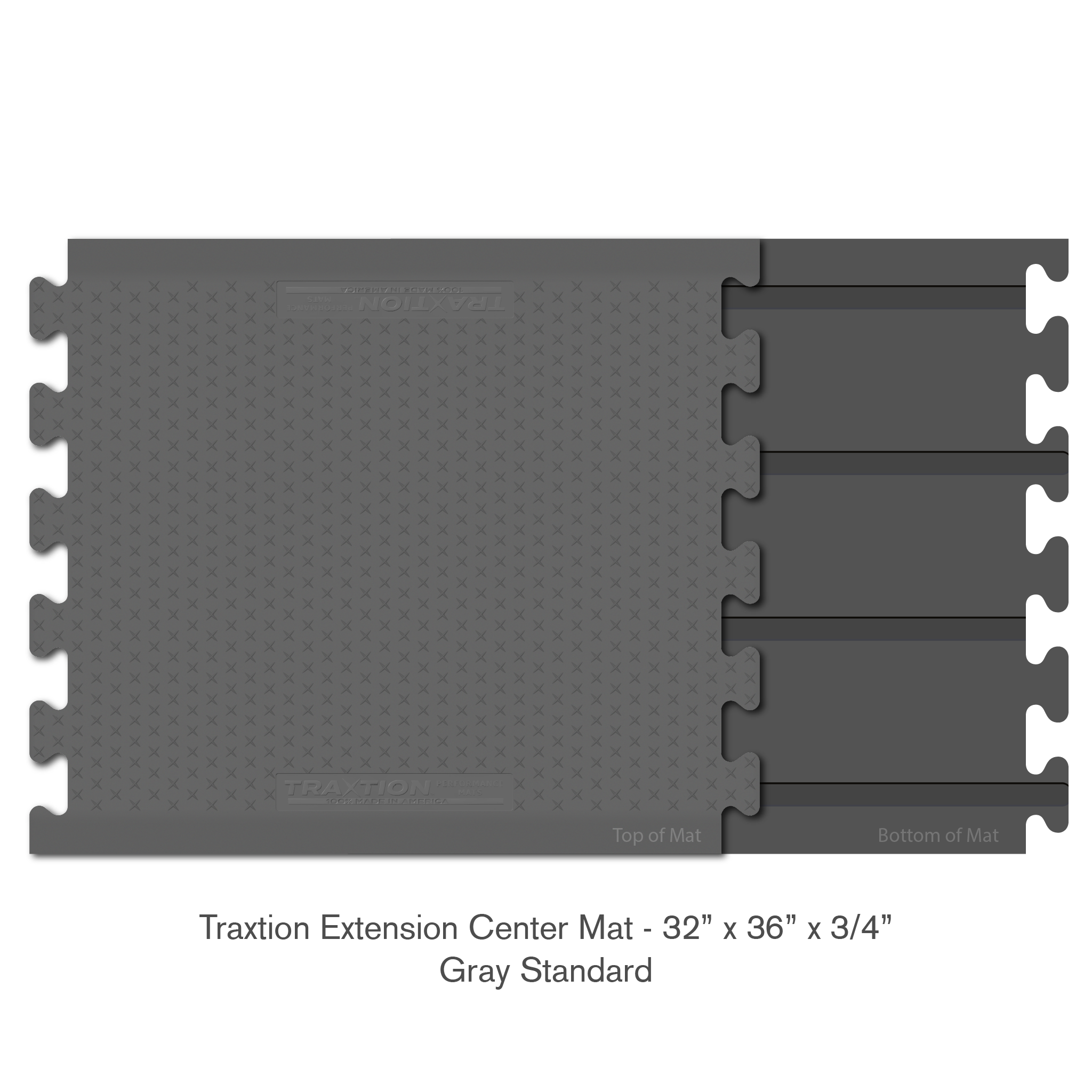
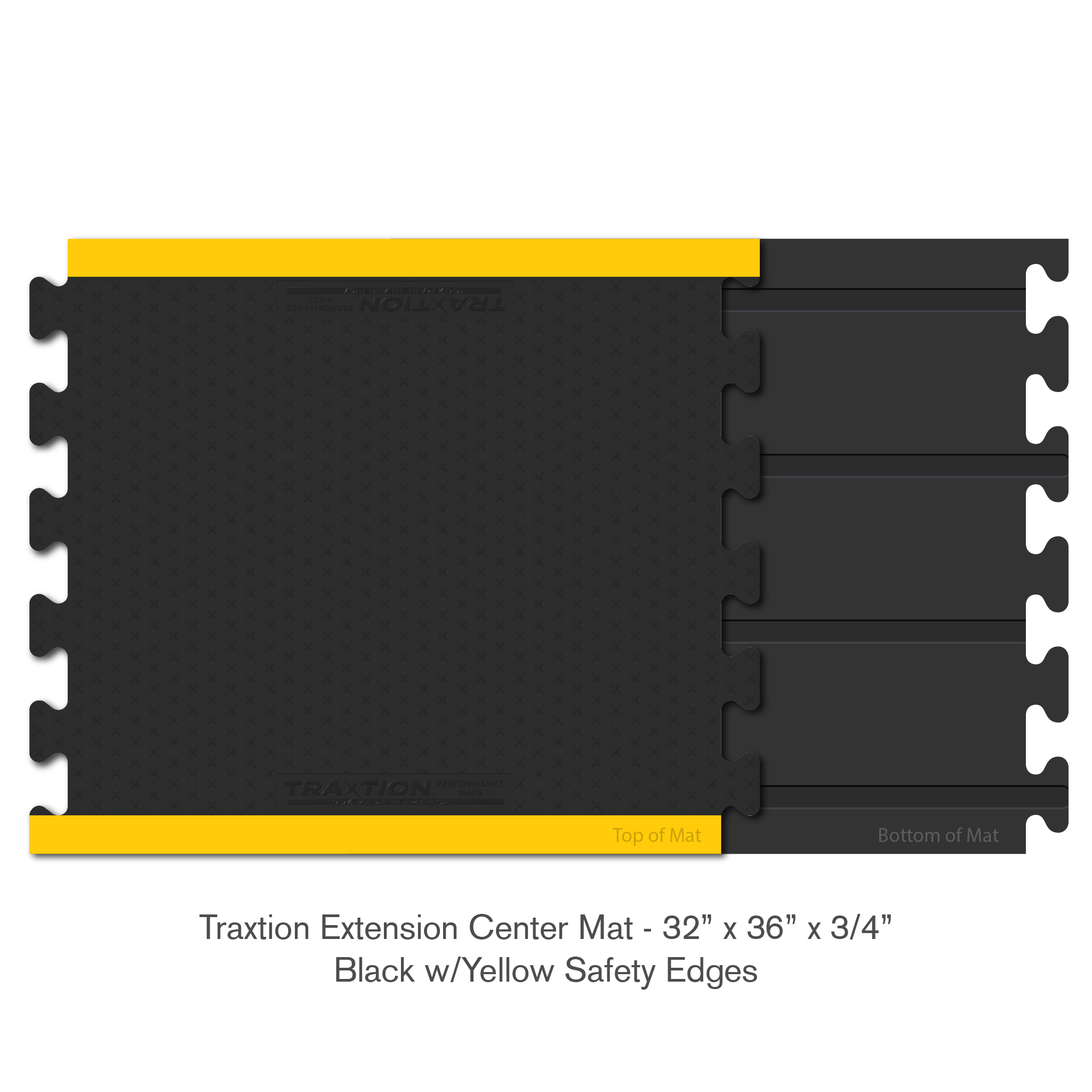
Smart Step is the trusted partner for businesses that need Premium, American Made Anti-Fatigue mats—fast. From small shops to large-scale rollouts, we offer competitive volume pricing, customizable layouts for any workspace, quick turnaround times, and seamless support every step of the way. Need to test it out first? We make sampling easy—because when it comes to comfort, standing is believing.






NEWS
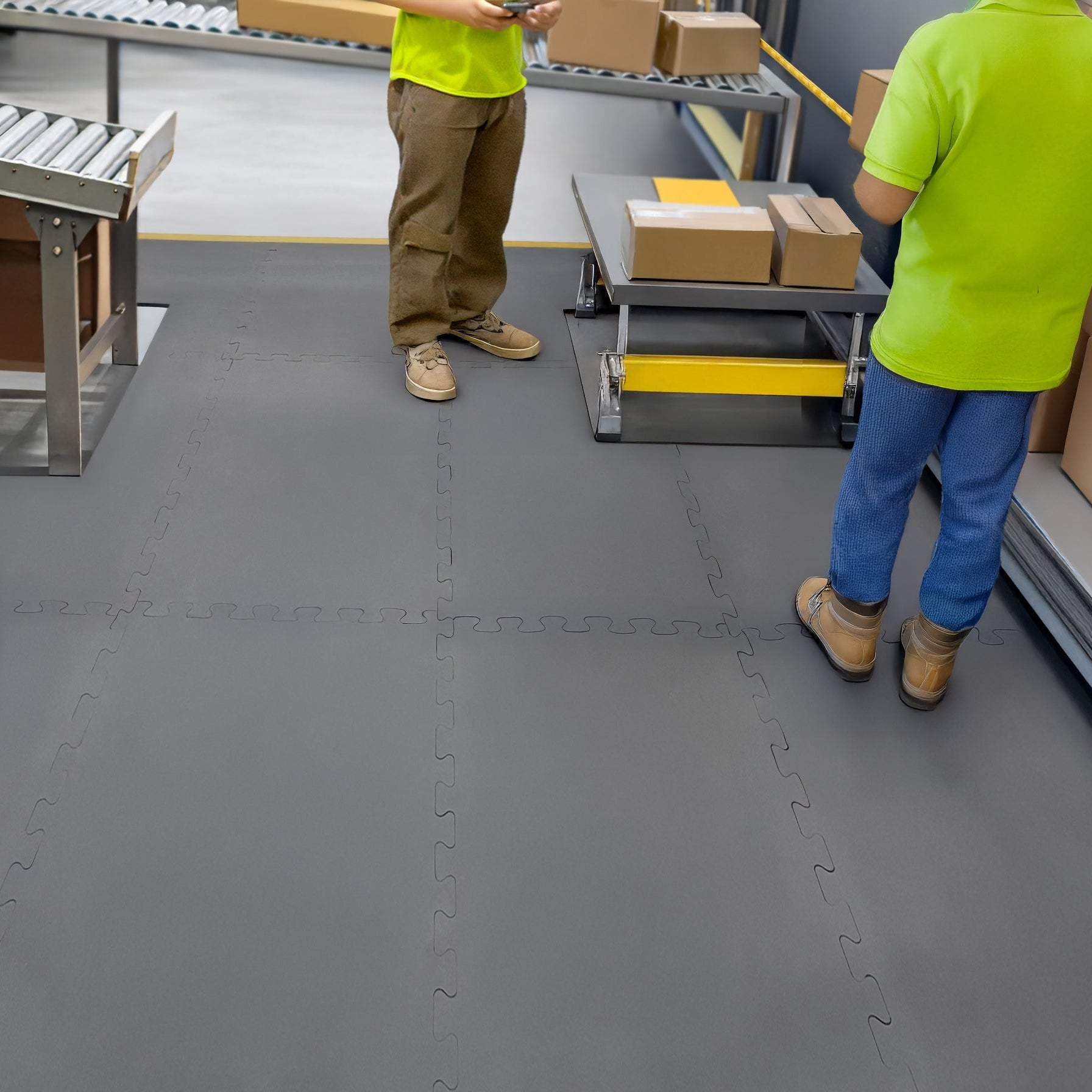
What Is Full Foot Coverage? Why Does It Matter?
Discover why full foot coverage matters for workplace safety, comfort, and productivity. Learn how Smart Step’s Supreme Custom Designer Tool makes it easy to create seamless, ergonomic anti-fatigue flooring for any environment.
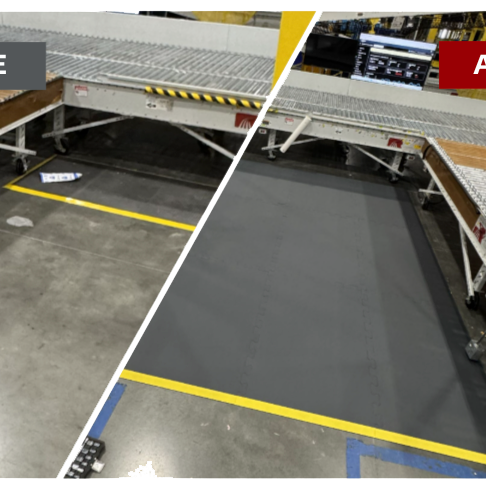
How WellnessMats Solved Major Problems for a Major Company
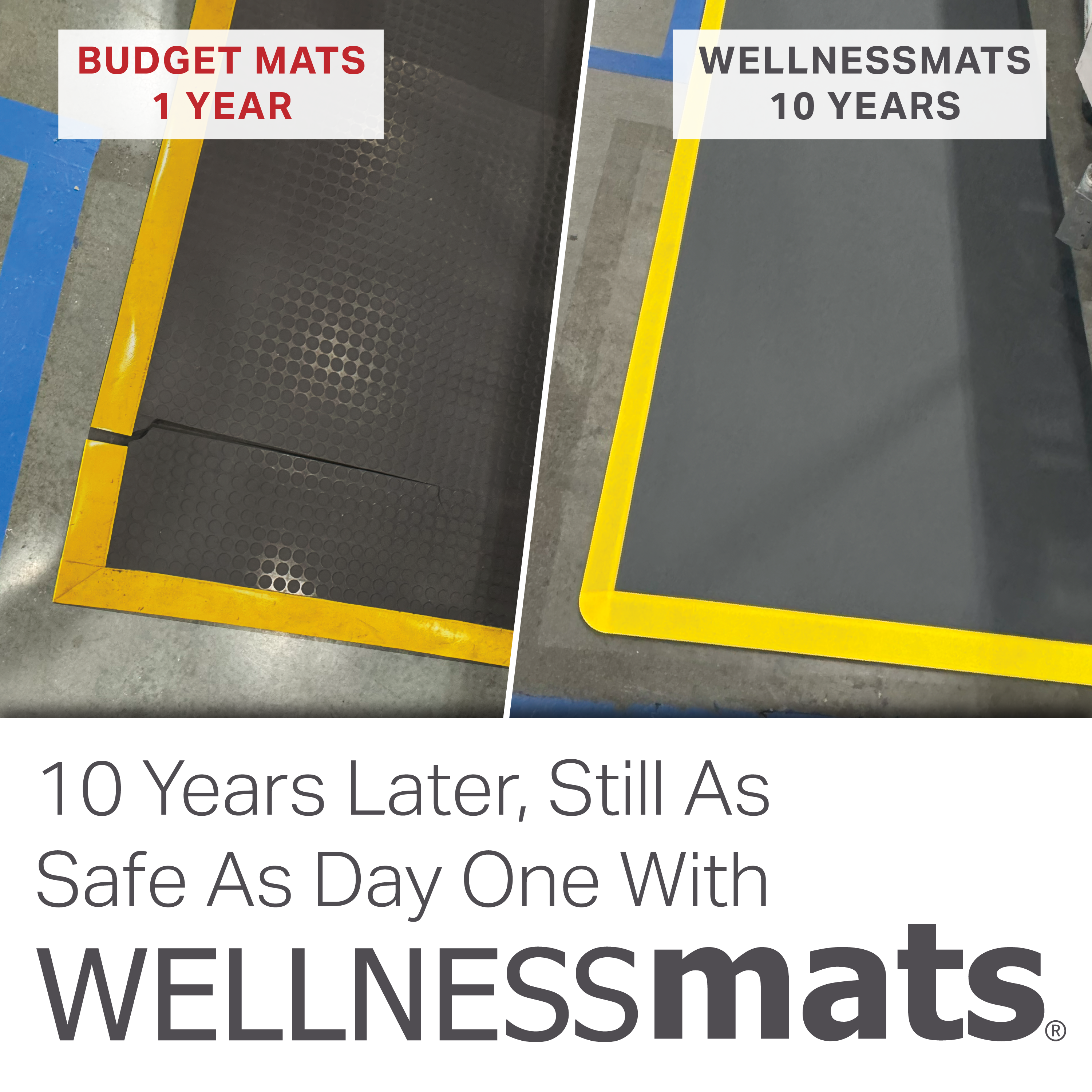
Did We Make a Mistake? Is Making a Product That Doesn't get Replaced Bad Business?
Meet WellnessMats CONNECT Custom
The ROI of Ergonomics: 4 Stats Every Smart, Strategic Buyer Should Know