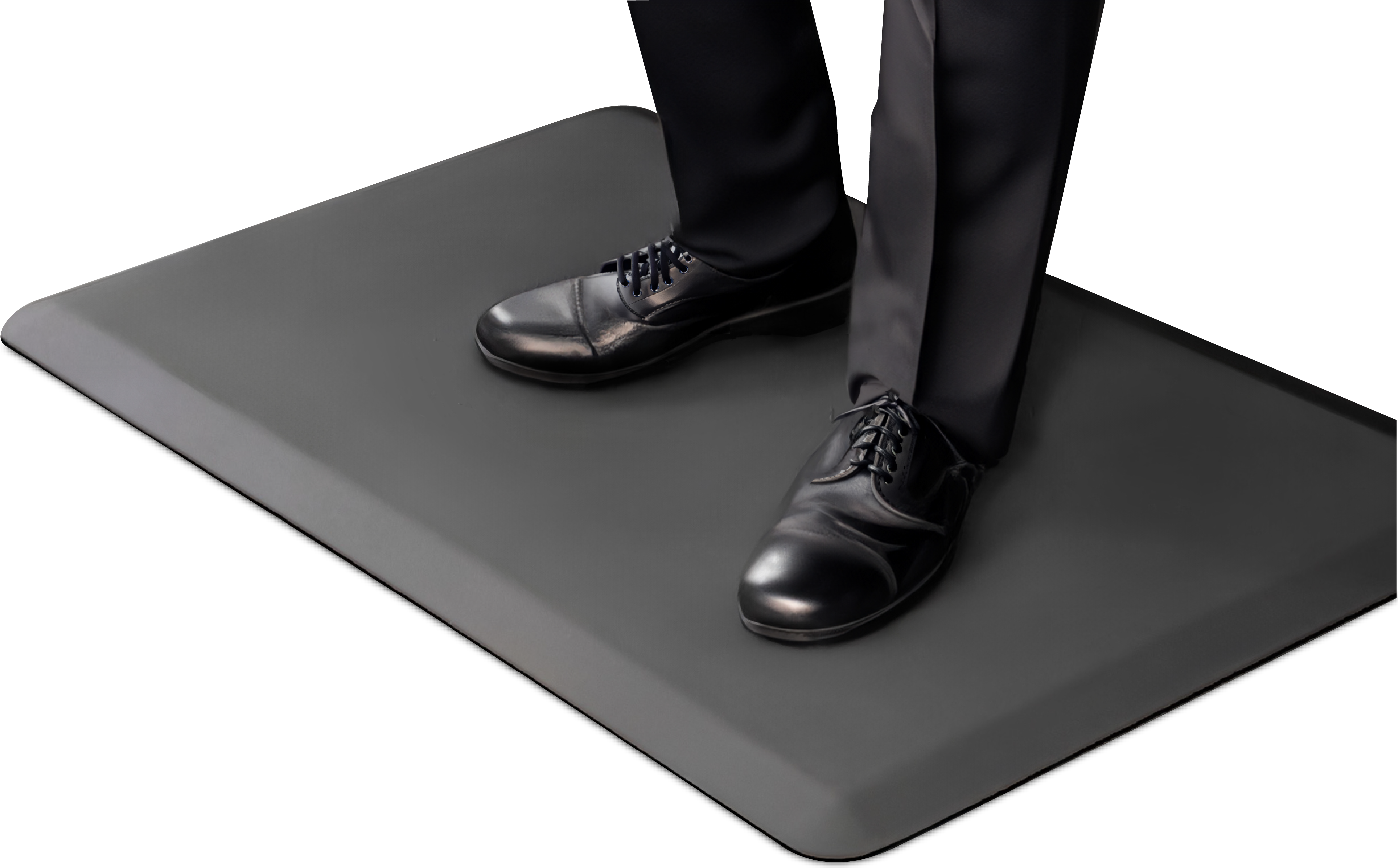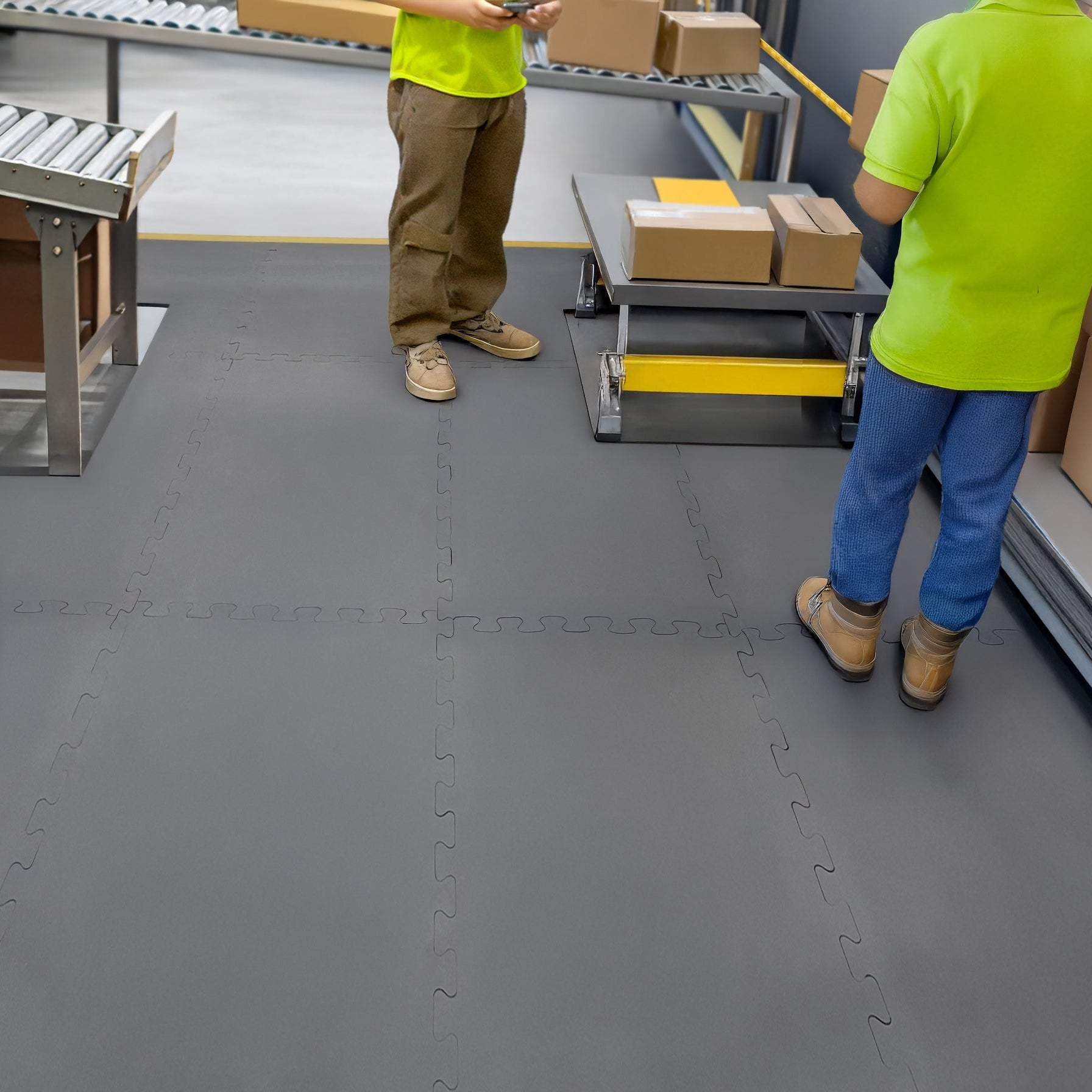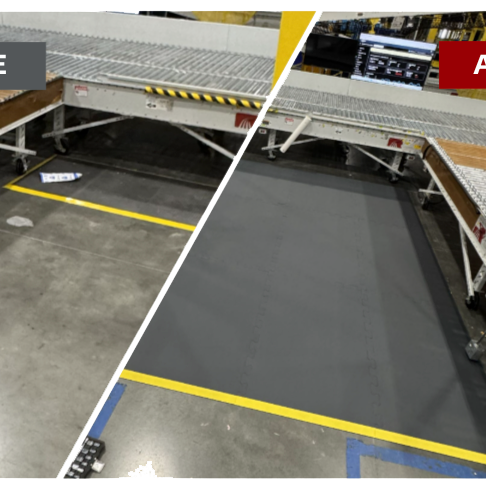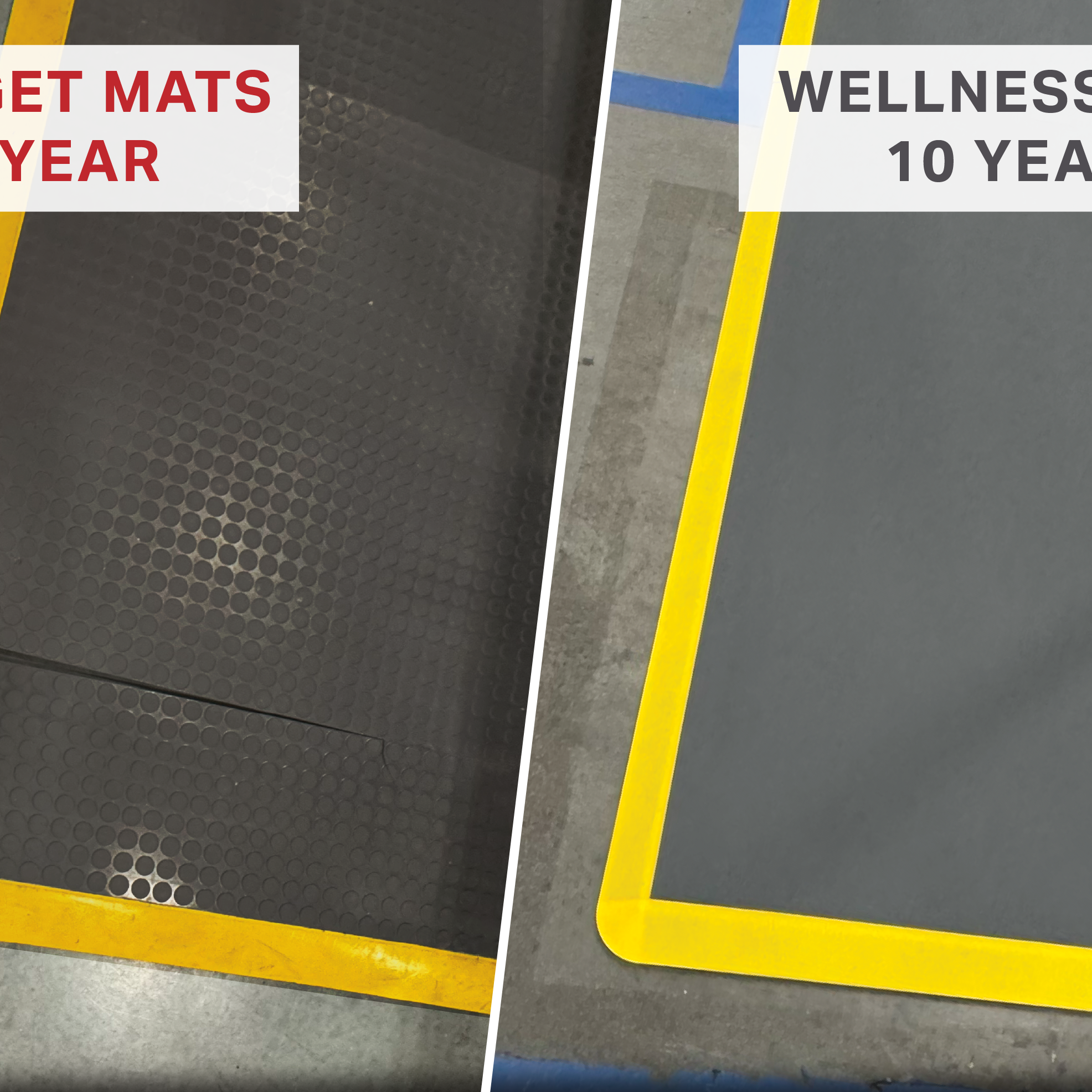
The modern workplace has shifted dramatically over the past decade. As industries operate with smaller teams, higher throughput, and increasing customer expectations, employees spend more time on their feet, in motion, and engaged in repetitive or high-demand tasks. For safety managers, this means ergonomic risk is no longer a “nice to address” issue, it’s a core operational and injury-prevention priority.
In 2026, the most significant ergonomic risks are driven by a combination of workstation design, prolonged standing, material choices, job repetition, and environmental stressors. Monitoring and addressing these factors helps organizations reduce injury rates, improve productivity, and support a healthier workforce.

Share